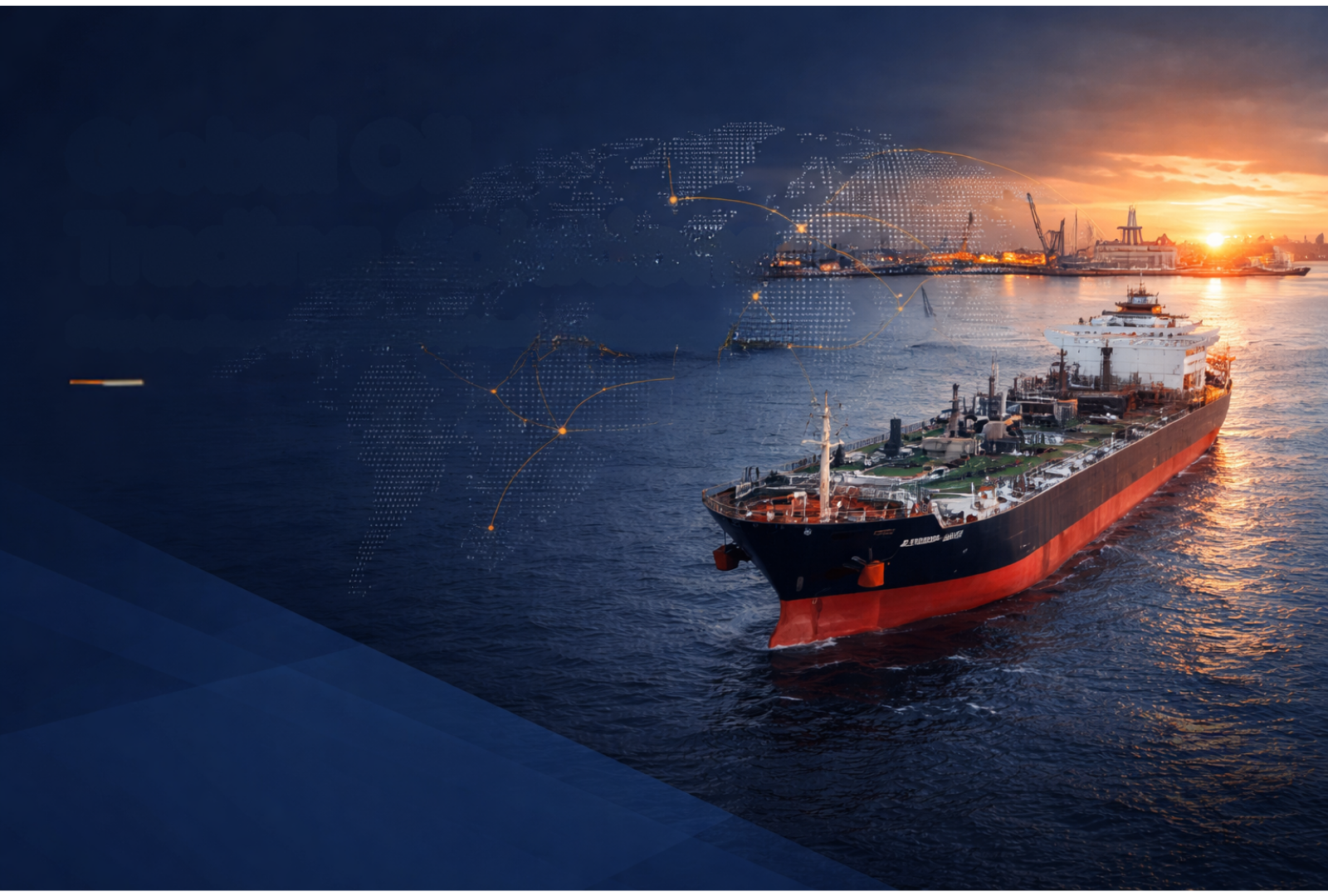
The efficient movement of petroleum products across global markets depends on well-coordinated supply chains. As energy demand spans continents, companies must integrate logistics, infrastructure, and market coordination to ensure consistent and reliable delivery.
The Complexity of Global Supply Chains
Energy supply chains involve multiple stages, from production and storage to transportation and final distribution. Each stage requires alignment between infrastructure, logistics providers, and market participants.
Arvion Energy supports this complex system by coordinating supply chain activities that connect upstream production with downstream demand.
Logistics Network Integration
A strong logistics network is essential for maintaining energy flow. Tanker vessels, pipelines, storage terminals, and distribution hubs must operate in sync to avoid delays and inefficiencies.
Through strategic planning and coordination, Arvion Energy helps optimize logistics routes and ensure seamless integration across supply chain components.
Infrastructure Partnerships
Infrastructure plays a critical role in enabling global energy movement. By working closely with terminal operators, port authorities, and storage facilities, Arvion Energy strengthens the backbone of petroleum distribution.
These partnerships ensure that supply chains remain resilient and adaptable to changing market conditions.
Global Distribution Channels
Delivering energy products efficiently requires access to global distribution networks. Arvion Energy supports this by connecting supply sources with key international markets through coordinated logistics and infrastructure alignment.
Coordinating global energy supply chains is essential for maintaining stability in international energy markets. Through logistics expertise, infrastructure partnerships, and strategic coordination, Arvion Energy helps ensure that petroleum products move efficiently across the world.