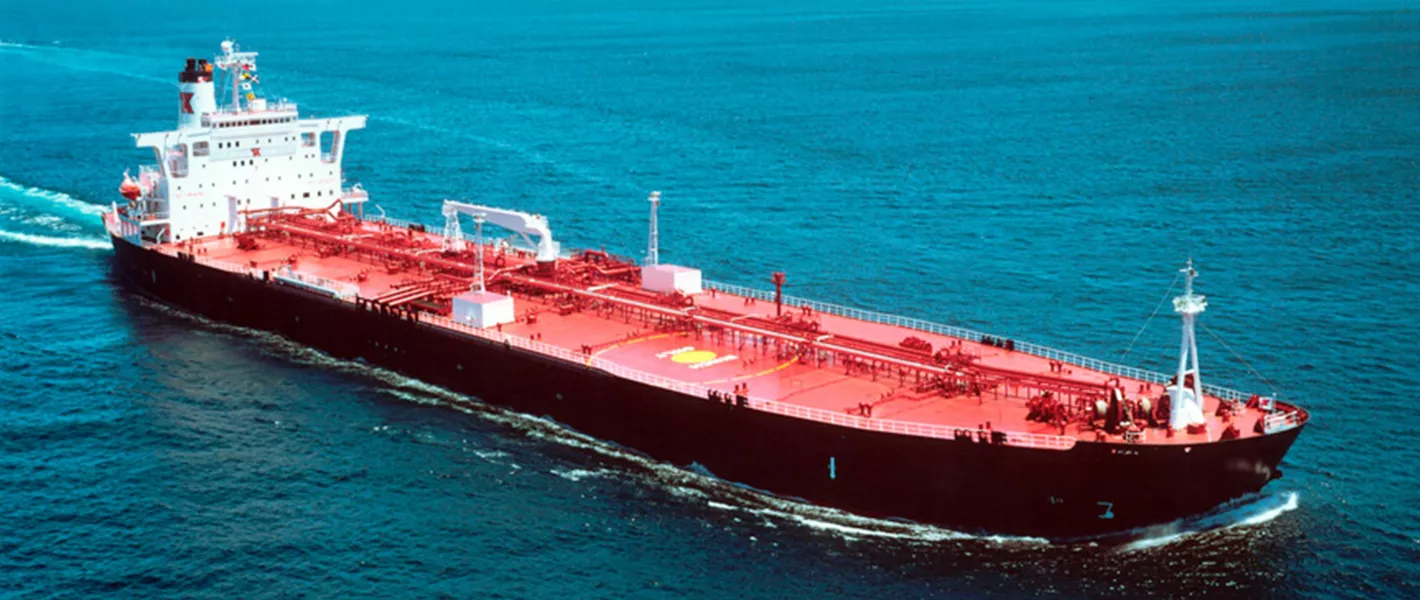
The global energy market depends on efficient logistics systems to ensure the reliable movement of petroleum products across regions. As supply and demand shift internationally, coordinated infrastructure and trusted logistics networks are essential to maintaining stability and efficiency.
The Importance of Logistics in Energy Markets
Energy logistics connects production, storage, and distribution. From tanker vessels and pipelines to storage terminals and ports, each component plays a critical role in delivering petroleum products to global markets.
Arvion Energy supports this process by coordinating logistics networks that align supply sources with international demand.
Infrastructure-Driven Operations
Strong infrastructure is the foundation of effective energy logistics. Pipelines, storage facilities, and transport hubs create a network that enables seamless product movement.
By working with infrastructure operators and logistics providers, Arvion Energy ensures that supply chains remain efficient, flexible, and responsive to market conditions.
Coordinating Global Supply Chains
Global energy logistics requires synchronization between multiple stakeholders, including producers, traders, and transport providers.
Arvion Energy facilitates this coordination by managing logistics planning, supporting communication between partners, and optimizing supply chain flow across regions.
Reliability and Efficiency
Reliable logistics systems are essential for maintaining consistent energy supply. Through strategic planning and infrastructure integration, Arvion Energy helps ensure that petroleum products are delivered efficiently and on time.
As global energy demand continues to evolve, logistics will remain a critical component of the industry. Arvion Energy is committed to supporting international petroleum supply chains through coordinated logistics, infrastructure partnerships, and efficient distribution networks.